
Did you know that creative thinking is one of the most in-demand job skills in today’s era? In fact, many studies have identified it as a crucial skill for children to have for the future of work. While AI continues to advance, it lacks the core elements that make humans uniquely innovative: emotion, experience, and intuition. These qualities drive true creativity, and no matter how sophisticated technology becomes, it cannot replicate them. This is why creative thinking is more important than ever, which often brings with it curiosity and imagination.
From a very young age, a child wonders about how things work, why the world looks the way it does, and what could be beyond what they can see. They have endless questions to ask and are curious about almost everything in their surroundings. When this curiosity is supported, it sparks creative thinking and fosters imagination in ways that can transform how children approach challenges throughout their lives.
One of the best ways to nurture creative thinking is through storytelling because stories ignite imagination and creativity. When children engage with stories, they imagine the characters, settings, and what might happen next. They predict events, ask “why” certain choices are made, and sometimes even create new scenarios in their minds.
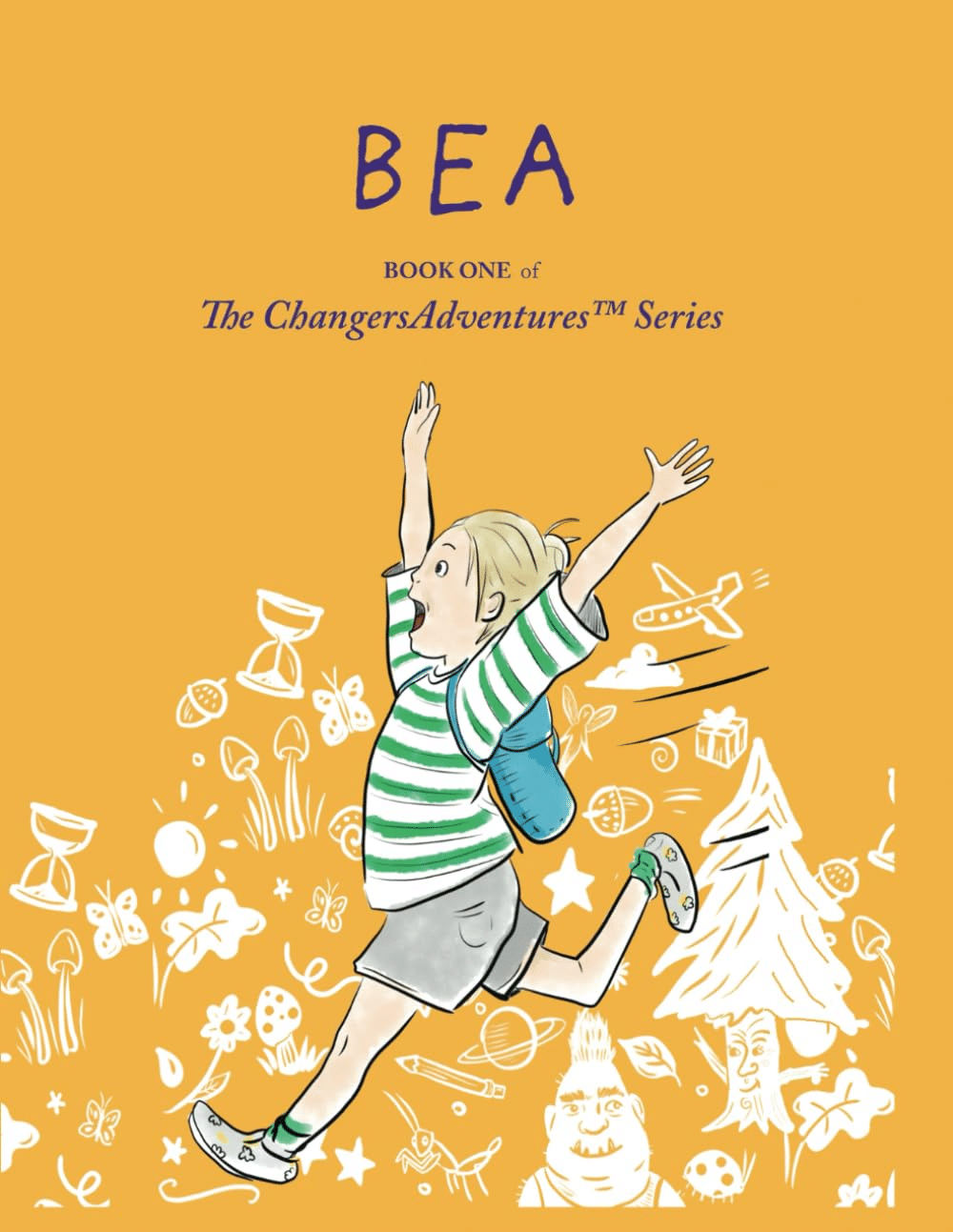
The ChangersAdventures® trilogy (comprising BEA, GAD, and GLOMAN) is a perfect example of this concept in action. Designed to foster creative thinking, these books provide young learners with ways to explore their ideas while building essential cognitive and emotional skills. They celebrate differences in thinking and emphasize creative problem-solving, making learning not just engaging but meaningful.
BEA: Imagination, Play, and Belief in Early Development
BEA leads children into the world of imagination. Bea doesn’t just observe the world; she imagines what it could be. This kind of thinking, where creativity, play, and belief come first, enables children to engage emotionally and creatively, encouraging them to trust and explore their unique ideas, such as through “mind-doodling” and “imaginative play.”
GAD: Curiosity and Critical Thinking in Problem-Solving
GAD takes creative thinking a step further by emphasizing curiosity and critical thinking. Gad’s story is filled with questions and observations that make children stop and think. For example, when Gad senses danger near the pond after noticing the looming shadow of a RedTail Hawk, instead of waiting to see what happens, his curiosity drives him to respond. He kicks a small pebble onto Sly’s lily pad, creating a ripple that shakes the dragonfly’s perch, sending her into alert mode. This quick-thinking action starts a chain of events, with the alarm sounding and every creature dashing for cover just in time to escape the hawk’s swooping dive. This shows children that asking questions and noticing the small details around them can lead to big discoveries and actions, often in unexpected ways.
GLOMAN: Reflection, Patience, and Emotional Intelligence
The third book, GLOMAN, builds on the lessons from BEA and GAD by focusing on reflection, patience, and emotional intelligence. As Gloman begins to share his plan to defeat an encroaching Darkness, a distracted Gad struggles to make sense of a growing unease. His curiosity, reasoning, and quick thinking unmasks a traitor in their midst. This pivotal moment shows how GLOMAN teaches that reflection and emotional intelligence are as critical as action, emphasizing the balance between thoughtful consideration and swift problem-solving, especially in times of crisis.
If you want to nurture your children’s creativity and imagination as technology continues to advance, visit https://changersadventures.com/.